
AlGood's Lacto-Fermentation Unlocks the Full Potential of Seaweed
SUSTAINABILITYFROZEN FOOD
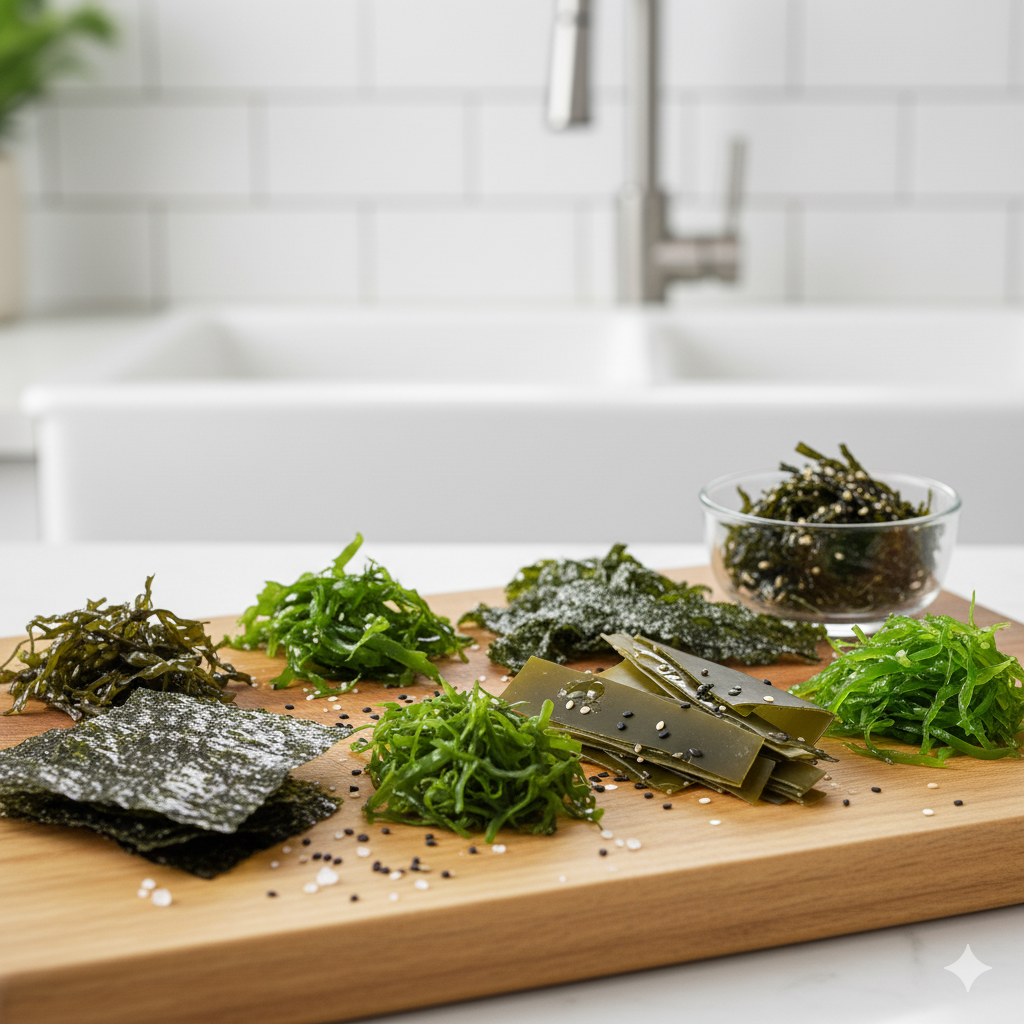
This is an AI generated illustration and does not represent actual product or service.
For centuries, lacto-fermentation has been used to preserve cabbage as sauerkraut, kimchi, or pickles. Now, a French company, AlGood, is applying this ancient, natural process to the ocean's vegetables: seaweed. Their patented method, detailed in the international patent WO2024115668 A1, not only preserves seaweed but transforms it, creating two valuable co-products from a single, eco-responsible process.
The Problem with Traditional Seaweed Processing
Seaweed is a nutritional powerhouse, rich in vitamins, minerals, and fiber. However, its traditional preservation methods have limitations. Drying requires significant energy and can alter texture and flavor. Brining (storing in saltwater) is effective but often results in a very salty product that requires desalination before use. Both methods can lock away some of seaweed's full potential.
AlGood's innovation addresses these issues head-on with a simple, elegant solution: controlled lacto-fermentation.
The AlGood Process: A Natural Transformation
The patented process, invented by Stéphane Mahé, is a carefully managed biological transformation. It involves several key steps:
Harvesting & Washing: Fresh seaweed, such as "sea spaghetti" (Himanthalia elongata) or "royal kombu" (Saccharina latissima), is hand-harvested in Brittany and quickly washed.
Cutting: The seaweed is cut into specific lengths (e.g., 0.5-1.3 cm for sea spaghetti) to increase the surface area for fermentation.
Fermentation: The seaweed is placed in sealed containers, often under a weighted plate to create an anaerobic (oxygen-free) environment. The process can rely on the seaweed's natural bacteria or be kick-started with a specific inoculum of lactic acid bacteria, such as Lactobacillus plantarum.
pH Control: The fermentation is allowed to proceed until the pH drops and stabilizes below a predetermined threshold, typically 4.5 or lower. This natural acidity preserves the seaweed and prevents the growth of harmful pathogens.
Separation: This is the crucial, innovative step. Once fermentation is complete, the two resulting products are separated:
The Lacto-Fermented Seaweed: A ready-to-eat vegetable with a tender, slightly crunchy texture.
The Fermented Juice: A nutrient-rich liquid brimming with metabolites from the fermentation process.
A Two-for-One: The Dual Products of Fermentation
The genius of this patent lies in its creation of two distinct, high-value outputs.
1. The Seaweed: "The Vegetable from the Sea"
As promoted on AlGood's website, the resulting seaweed is a unique food product. It is:
Ready-to-Eat: Requires no cooking, rehydration, or desalting.
Year-Round: Stable for months at room temperature thanks to the preserving power of lactic acid.
Nutritious & Tasty: The process retains the seaweed's vital nutrients while developing a mild, umami flavor with "light marine notes" and a pleasantly tender texture.
2. The Juice: A Versatile "Super-Ingredient"
The fermented juice is not a waste product but a valuable co-product with a surprising range of applications, as identified in the patent:
Animal Feed: Acts as a natural appetite stimulant for livestock, poultry, and aquaculture. Its probiotic properties can improve animal gut health and reduce stress.
Human Food: Can be used as a natural foaming agent (a potential vegan alternative to egg whites), an emulsifier, or a natural food coloring (e.g., a vibrant violet from Palmaria palmata).
Cosmetics & Pharmaceuticals: The foaming and bioactive properties make it suitable for cosmetic formulations, and its nutrient profile suggests potential for pharmacological uses.
Agriculture: The juice, alone or mixed with the fermented seaweed, can be used as a phytostimulant to improve soil quality and plant growth.
Significance and Benefits
AlGood's patented process is more than just a new way to package seaweed; it's a paradigm shift with significant advantages:
Eco-Responsible: The process requires no cooking, freezing, or chemical additives, resulting in a very low carbon footprint.
Reduces Waste: It creates a circular process where both the solid and liquid outputs are valorized.
Enhances Food Innovation: It provides the food industry with a new, functional, and natural ingredient that can improve the nutritional score (e.g., Nutri-Score) of products like burgers and sausages, as tested by the inventor.
Year-Round Availability: It makes the seasonal bounty of wild seaweed available consistently, supporting local economies and sustainable harvesting.
By harnessing the power of natural fermentation, AlGood has successfully turned seaweed into a practical, versatile, and sustainable "super-vegetable" for the modern table, while simultaneously creating a powerful new stream of natural ingredients for various industries.


Trending Stories
Latest Stories
Inspiring the food industry by showcasing hidden and valuable innovations from patents.
Subscribe to our monthly newsletter and never miss a story
We promise, we won't spam you!
We care about your data in our privacy policy.


FoodTechForesight.com
Founder and Editor