
Beyond Immunity: Nestlé’s Human Lactoferrin Innovation Targets Multiple Health Benefits
INFANT NUTRITIONNUTRACEUTICALS
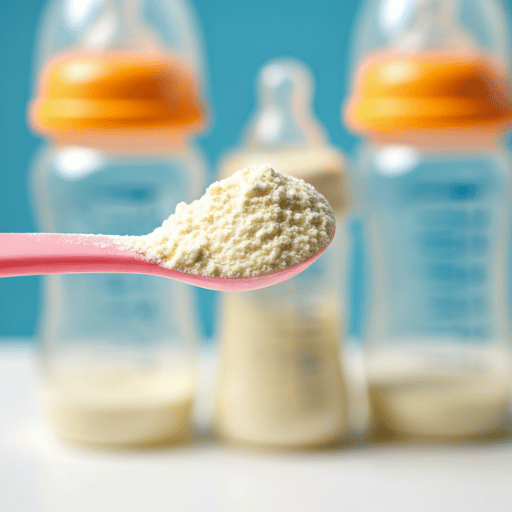
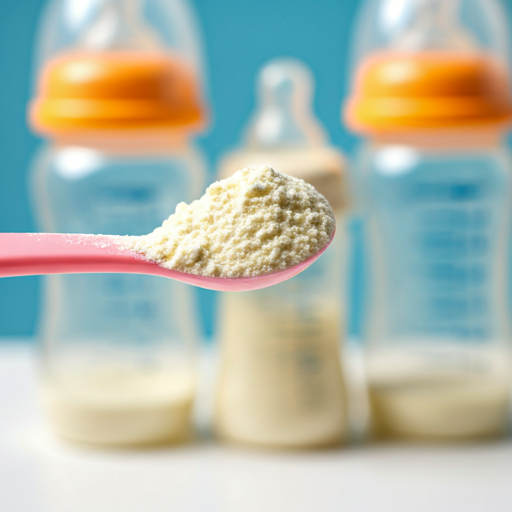
This is an AI generated illustration and does not represent actual product or service.
For decades, lactoferrin has been known as the quiet powerhouse of human milk – a protein that helps newborns fight infections by snatching up iron from bacteria and viruses. But a cluster of newly published patent applications from Nestlé (WO2026073930A1, WO2026073927A1, WO2026073931A2, WO2026073928A1) suggests that this single molecule may do far more than protect against germs. According to the research described in these patents, human lactoferrin could also build stronger bones, shape healthier cartilage, fine‑tune the immune system in partnership with milk sugars, and even change how quickly an infant’s body absorbs fat – with possible long‑term benefits for metabolic health.
What makes these findings particularly interesting is that they don’t come from just one study. Together, four separate patent applications paint a consistent picture backed by specific experimental data: human lactoferrin is not the same as bovine lactoferrin, and its effects depend heavily on how much iron it carries and what other milk components accompany it.
Human vs. Bovine: A Consistent Difference
One of the clearest themes running through all four patents is that human lactoferrin consistently outperforms bovine lactoferrin in laboratory tests. Whether the goal was to stimulate bone‑forming cells, encourage cartilage maintenance, boost immune signalling, or slow down fatty acid uptake, human lactoferrin repeatedly showed a stronger effect.
For bone health, researchers used pre‑osteoblast cells (MC3T3‑E1) and measured alkaline phosphatase (ALP) activity – a reliable marker of bone mineralisation. The data showed that low‑iron human lactoferrin increased ALP activity by approximately 110% compared to the control, while bovine lactoferrin (even at high iron saturation) produced a much smaller increase. The difference was statistically significant, with p‑values below 0.0001. In other words, human lactoferrin was dramatically more effective at pushing precursor cells toward becoming mature bone‑forming cells.
Similarly, in experiments with cartilage cells (chondrocytes), human lactoferrin boosted the production of two essential cartilage proteins. Low‑iron human lactoferrin increased aggrecan expression by roughly 75% and collagen II expression by over 90% compared to untreated control cells. Bovine lactoferrin again lagged behind, producing only modest changes that did not reach the same level of statistical significance.
This matters because most infant formulas today use bovine lactoferrin, not human. The patents suggest that switching to recombinant human lactoferrin – or isolating it from human milk – could offer functional advantages that bovine sources simply don’t provide.
The Iron Connection: One Protein, Different Faces
Lactoferrin’s iron saturation level turns out to be critical. The protein has two metal‑binding sites, and depending on how many of those sites are filled with iron, it can behave differently.
For bone and cartilage benefits, the low‑iron (iron‑depleted) form – with only about 4.1% of iron‑binding sites occupied – worked best.
For slowing down fat absorption, the iron‑saturated form – with nearly 100% iron saturation – was clearly superior.
In the fatty acid uptake experiments, researchers used a luciferin‑linked palmitic acid probe to track real‑time absorption in Caco‑2 intestinal cells. Iron‑saturated human lactoferrin reduced the maximum uptake rate of palmitic acid by approximately 40–50% compared to the control condition. The iron‑depleted form had a weaker effect, and bovine lactoferrin showed only a modest reduction.
This is a fascinating finding because it means lactoferrin isn’t a one‑size‑fits‑all ingredient. If these patents lead to commercial products, manufacturers might tailor the iron saturation level of lactoferrin depending on the desired outcome – bone support for growing toddlers, metabolic programming for newborns, or immune protection during cold season.
Teaming Up With Human Milk Oligosaccharides: Synergy in Action
Another powerful theme is synergy. Lactoferrin alone is active, but when combined with specific human milk oligosaccharides (HMOs) – such as LNnT, LNFP‑I, 2’FL, and blends of six or seven different HMOs – its effects multiply.
In immune studies using human peripheral blood mononuclear cells (PBMCs), the researchers tested lactoferrin alone (10 µg/ml) versus lactoferrin plus a blend of seven HMOs. The combination increased IL‑12p70 production by nearly 300% compared to lactoferrin alone, and IFN‑gamma levels rose by over 200%. These cytokines are critical for fighting viral and bacterial infections. Importantly, the HMO blend alone without lactoferrin had very little effect – the synergy was real.
The same synergy showed up in bacterial inhibition experiments. When Streptococcus agalactiae (Group B Streptococcus) was exposed to human lactoferrin alone, colony‑forming units dropped by about 50%. The HMO LNnT alone had little effect. But lactoferrin plus LNnT together reduced bacterial counts by over 90% – a result the inventors described as “unexpected synergistic effect.”
This suggests that human milk doesn’t deliver lactoferrin in isolation – it delivers it alongside a complex cocktail of oligosaccharides that amplify its immune benefits. Replicating that synergy in infant formula could be a game‑changer.
A Surprising Role in Fat Metabolism: Slowing Absorption, Changing Outcomes
Perhaps the most unexpected finding comes from the fatty acid absorption studies. Using a validated real‑time uptake assay, researchers showed that human lactoferrin slows down the absorption of long‑chain fatty acids, particularly palmitic acid (16:0) and stearic acid (18:0). The data revealed that the effect is dose‑dependent and enhanced by iron saturation.
In competition experiments, both saturated (stearic acid) and unsaturated (linoleic acid) long‑chain fatty acids competed with palmitic acid for uptake, indicating that the mechanism is shared across multiple fatty acids. This means the slowing effect of human lactoferrin likely applies to the full range of LCFAs found in milk – including 18:0, 18:1, 18:2, and 18:3.
Why does this matter? Breastfed infants naturally absorb fat more slowly than formula‑fed infants. That slower absorption shifts fatty acids toward β‑oxidation (burning them for energy) rather than storing them in adipose tissue. Formula‑fed infants, by contrast, tend to absorb fat more quickly, which may contribute to faster weight gain and a higher risk of later obesity and cardiometabolic diseases like diabetes and heart disease.
By slowing down fatty acid uptake, human lactoferrin could help formula‑fed infants replicate the metabolic pattern of breastfed infants. The patent explicitly links this effect to “improved blood lipid profile, reduced adipose tissue expansion, and reduced risk of cardiometabolic disease.”
Putting It All Together: What This Means for Infant Formula
Taken as a whole, these four patents describe a vision of infant nutrition that goes far beyond matching the protein, fat, and carbohydrate levels of human milk. They suggest that bioactive proteins like lactoferrin, in the right form and in combination with HMOs, can actively shape how an infant’s body develops – from the strength of their bones and the health of their joints to the way their immune system responds to threats and how their metabolism handles dietary fat.
The patents are clear about which populations could benefit most: preterm infants, babies born by Caesarean section, those with low birth weight or intrauterine growth restriction, and young children during weaning. These are exactly the groups who are most vulnerable to poor nutrient absorption, underdeveloped immunity, and later metabolic problems.
The experimental data provide a solid foundation: 110% increase in bone formation markers, 90% increase in cartilage proteins, 300% increase in key immune cytokines, and 40–50% reduction in fatty acid uptake rates – all from adding human lactoferrin, often in combination with HMOs.
Of course, these are patent applications, not approved products. The studies are largely in vitro (cell‑based) or early laboratory models. Human clinical trials would be needed to confirm whether the effects seen in petri dishes translate to real babies.
But the direction is unmistakable. Nestlé is investing heavily in the idea that human lactoferrin, carefully sourced and matched with specific HMOs, can do much more than fight infections. It could become a cornerstone of next‑generation infant nutrition – one that helps formula‑fed infants grow not just as big, but as healthy, as their breastfed peers.
The next few years will tell us whether these patents lead to products on the shelf. For now, they offer a fascinating glimpse of a future where infant formula doesn’t just feed babies – it actively programmes their bones, their immune systems, and their metabolism for lifelong health.


Trending Stories
Latest Stories
Inspiring the food industry by showcasing hidden and valuable innovations from patents.
Subscribe to our monthly newsletter and never miss a story
We promise, we won't spam you!
We care about your data in our privacy policy.


FoodTechForesight.com
Founder and Editor