
DSM-Firmenich’s New Flavor Tech To Mask Taste of Vitamins
BEVERAGESNUTRACEUTICALS
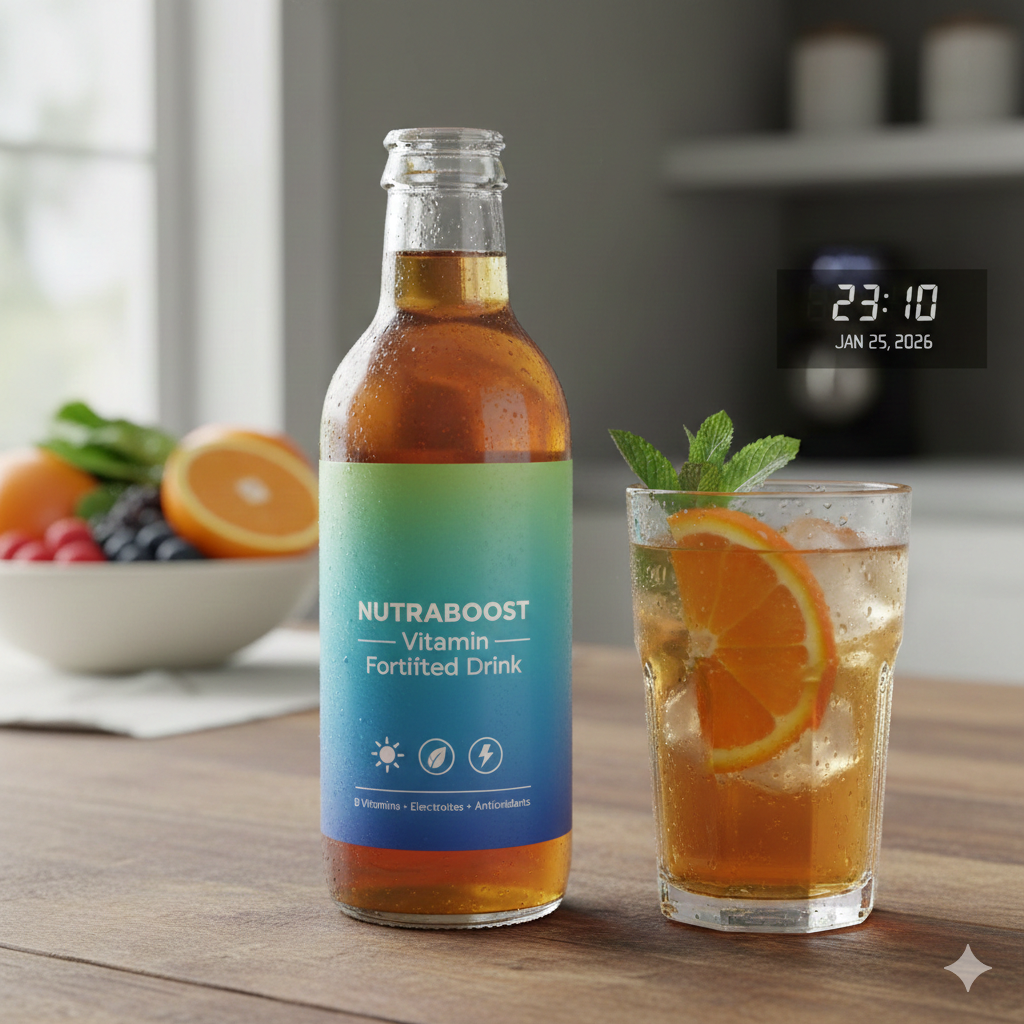
This is an AI generated illustration and does not represent actual product or service.
Have you ever sipped a fortified sports drink or chewed a vitamin bar and been hit with a weird metallic aftertaste or a chalky finish? That’s the taste of good-for-you ingredients clashing with your taste buds—and it’s a billion-dollar problem for the food and beverage industry.
Now, DSM-Firmenich, one of the world’s largest flavor and nutrition companies, is proposing a high-tech solution. A newly published patent (WO2024251755A1) reveals a specialized flavor blend designed to make vitamins and minerals virtually tasteless—without loading products with extra sugar or artificial sweeteners.
The Problem: Why Healthy Ingredients Taste Bad
Many functional ingredients—like magnesium, zinc, B vitamins, and certain amino acids—naturally taste bitter, metallic, or astringent. To cover these off-notes, brands often add more sugar or intense sweeteners, which can undermine the health positioning of the product or create an unbalanced flavor.
The Solution: A “Taste Eraser” Blend
The patent describes a core flavor system built from a few key components:
Vanilla-like compounds (such as vanillin) – to smooth and round out flavors
Caramel-like compounds (like Furaneol) – to add natural sweetness and depth
Bitter-blockers (such as phloretin, found in apples) – to physically block bitter tastes at the receptor level
Advanced sweeteners (specific types of stevia or monk fruit extracts) – to sweeten without adding chemical notes
The innovation isn’t in the individual ingredients, but in how they’re combined to target and neutralize the specific off-notes from minerals and vitamins.
Real-World Example: A Better-Tasting Energy Drink
The patent includes a sample formula for an energy drink packed with functional ingredients:
Energy blend (B vitamins, caffeine, taurine)
Eye health blend (zinc, lutein)
Muscle support blend (magnesium, potassium, calcium)
These are classic culprits for bad taste. To fix it, the formula adds a tiny amount of a “Mineral Masking Composition”—essentially the patented blend of vanillin, Furaneol, and phloretin. The result is a drink that delivers high doses of nutrients without the usual unpleasant aftertaste.
Why This Matters for the Future of Food
Enables higher nutrient levels – Brands can now consider adding more functional ingredients without ruining taste.
Supports cleaner labels – Less need to mask with sugar or artificial flavors means simpler ingredient lists.
Improves compliance – This tech isn’t just for drinks; it can be used in chewable supplements, protein bars, and even oral care products, making daily nutrition easier to stick to.
Represents a new kind of IP – The real value for companies like DSM-Firmenich isn’t just in selling flavors, but in selling solutions to formulation problems.
Flavor houses are no longer just about making things taste like strawberry or vanilla. They’re becoming essential partners in making functional foods actually enjoyable to consume. This patent is a clear signal that the race to solve the “bitterness barrier” is on—and the winners will be those who can deliver both nutrition and great taste, without compromise.


Trending Stories
Latest Stories
Inspiring the food industry by showcasing hidden and valuable innovations from patents.
Subscribe to our monthly newsletter and never miss a story
We promise, we won't spam you!
We care about your data in our privacy policy.


FoodTechForesight.com
Founder and Editor