
From Pastry to Pigment: Upcycling Bakery Waste into High-Value Antioxidants
SUSTAINABILITYBAKERY
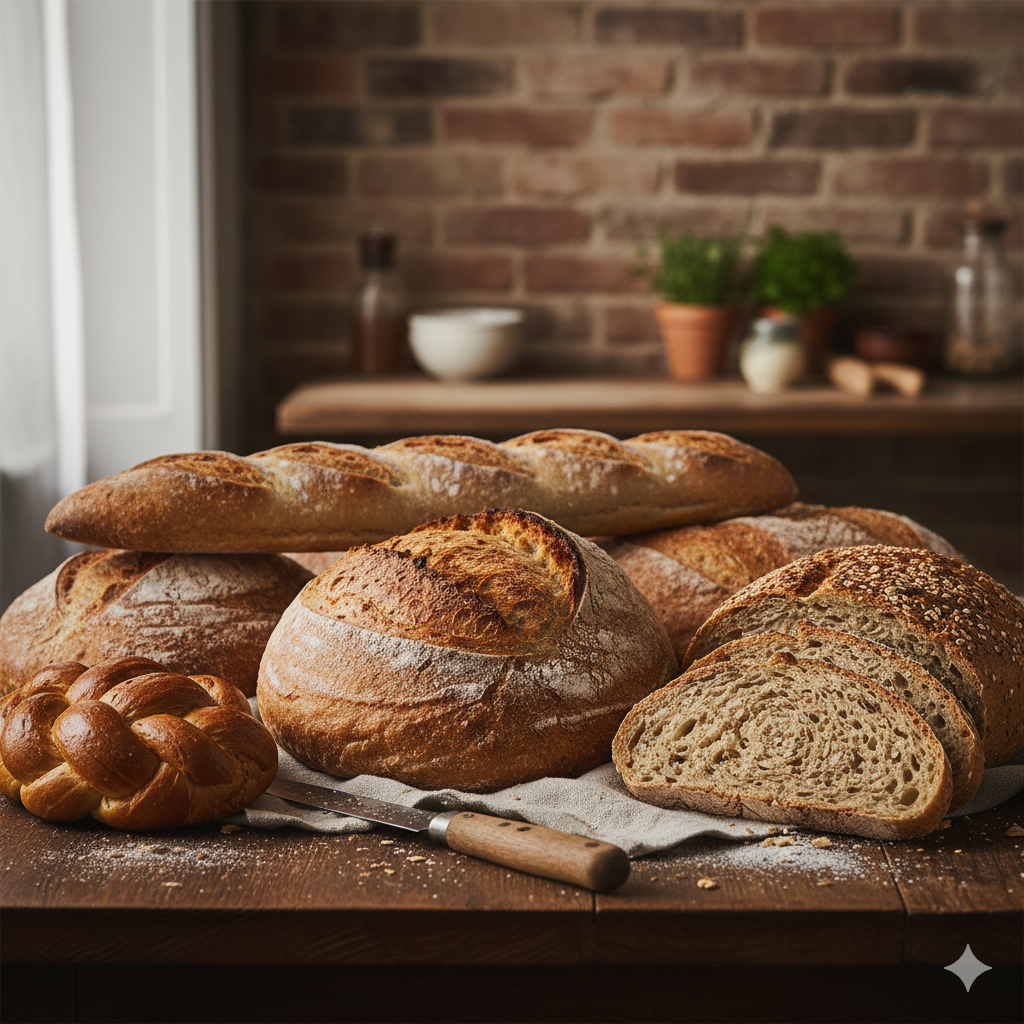
This is an AI generated illustration and does not represent actual product or service.
The global food system is burdened by waste. In the bakery and confectionery sector alone, millions of tons of unsold goods—from stale bread to expired pastries—are discarded annually, representing a colossal economic loss and environmental challenge. A groundbreaking European patent application (EP 4678731 A1) from Polish company AlterBioTech proposes an elegant, circular solution: transforming this sugary, high-energy waste stream into valuable antioxidants for the feed and cosmetics industries.
The invention, a “Method of Fermentation with Yeast Strains,” leverages solid-state fermentation (SSF) to bioconfect discarded cakes and breads into two high-margin products: a nutrient-rich animal feed additive and a potent, carotenoid-loaded extract for skincare.
The Innovation: Microbial Alchemy on a Solid Substrate
At its core, the patent describes a controlled fermentation process using specific microbial strains to upgrade waste. The key differentiator is the use of solid-state fermentation (SSF), where microorganisms grow on moist solid materials without free-flowing water, mimicking natural processes like composting but with precise scientific control.
The Microbial Team:
Yeasts: Saccharomyces cerevisiae (common baker's yeast) and/or Rhodotorula bentica (a red yeast known for pigment production).
Bacteria: Lactococcus lactis (a lactic acid bacterium) can be added as a co-culture.
The Process Flow:
Waste Preparation: Bakery (e.g., bread crusts, 'MK') and confectionery (e.g., cake creams, 'K') waste are milled and pasteurized.
Solid-State Fermentation: The waste is inoculated with the microbial consortium and fermented for at least 16 hours at 18-28°C with aeration.
Product Diversification:
Pathway A (Feed): The resulting "digest" is dried and mixed with a base like soybean meal to create an enriched animal feed.
Pathway B (Cosmetics): The digest undergoes supercritical CO₂ extraction, a clean, solvent-free technique, to yield a concentrated, oil-soluble extract rich in antioxidants.
The High-Value Outputs: Data-Driven Results
The patent is substantiated with experimental data demonstrating the tangible value created from waste.
1. The Feed Additive ("Digest"):
Fermentation enriches the waste with bioactive compounds like carotenoids and polyphenols. In animal trials, broiler chickens fed the fermented digest showed significantly higher body weight compared to controls.
2. The Cosmetic Extract:
The supercritical extract is a potent antioxidant cocktail. Clinical tests on creams containing the extract showed measurable improvements: creams with 'K' (confectionery) extract increased skin hydration by ~34% and reduced wrinkles, while 'MK' (bakery) extract boosted skin density by 175% and reduced sensitivity by over 60%.
Why This Patent Matters for the Food & Bio-Tech Industry
AlterBioTech's invention is a masterclass in circular bioeconomy, addressing multiple challenges simultaneously:
Solving a Waste Crisis: It provides a scalable, non-landfill destination for heterogeneous and problematic bakery/confectionery waste.
Creating Vertical Value: It transforms a low/no-value feedstock into premium ingredients for two lucrative markets: animal nutrition (seeking antibiotic alternatives) and cosmetics (craving natural, bioactive actives).
Process Efficiency: Solid-state fermentation is often simpler, requires less energy, and generates less wastewater than submerged liquid fermentations.
Clean-Label Appeal: The use of food-grade microbes and solvent-free supercritical extraction yields "natural origin" ingredients highly desirable to consumers.
The Bigger Picture: A Blueprint for Upcycling
This patent is more than a single process; it's a blueprint for the integrated biorefinery of the future. It demonstrates how to deconstruct complex food waste streams using biology and refine them into targeted, high-performance biomolecules.
For startups and established CPG companies alike, it underscores a critical strategy: the greatest future innovations may not be in creating new foods from scratch, but in systematically recapturing and upgrading the value we currently discard.


Trending Stories
Latest Stories
Inspiring the food industry by showcasing hidden and valuable innovations from patents.
Subscribe to our monthly newsletter and never miss a story
We promise, we won't spam you!
We care about your data in our privacy policy.


FoodTechForesight.com
Founder and Editor