Givaudan's "Clean Shield": A Patent for Stabilizing Natural Colors in Snacks
CONFECTIONARYNUTRACEUTICALS
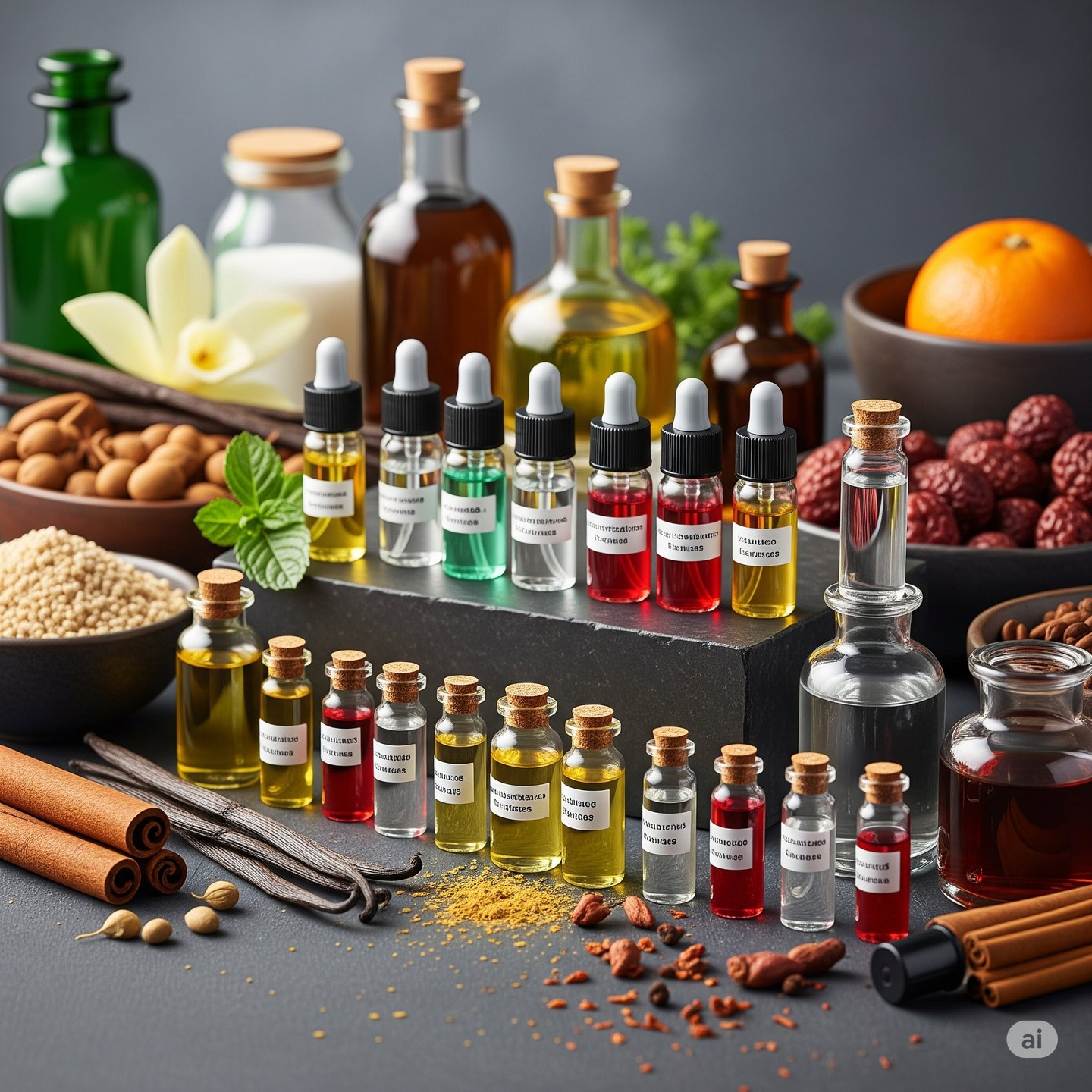
This is an AI generated illustration and does not represent actual product or service.
The vibrant, consistent color of a snack is a silent promise of quality and flavor. But for brands committed to natural ingredients, that promise is hard to keep. Natural oil-soluble colors—like those from paprika, annatto, or turmeric—are notoriously fragile. They fade with light and heat, and worse, they can oxidize, developing rancid "off-notes" that ruin the taste of an otherwise perfect product.
Flavor giant Givaudan has filed a patent application (WO2024189055A1) that tackles this problem head-on. It presents an elegant encapsulation technology designed not with synthetic polymers, but with food-grade, label-friendly proteins and sugars to act as a protective shield for natural colors.
The Challenge: Oxidation and Fading
Oil-soluble pigments (carotenoids, chlorophylls, etc.) are prized for their natural hue but are highly susceptible to oxidation. This degradation has a double negative impact:
Visual: The color loses intensity and shifts hue, making the product look dull or unnatural.
Sensory: Oxidation produces volatile compounds that create cardboardy, paint-like, or rancid off-flavors, completely decoupling the taste from the expected experience.
The industry workaround often involves synthetic colors (FD&C dyes) or synthetic antioxidants, which conflict with the booming consumer demand for "clean-label," naturally sourced ingredients.
Givaudan's Solution: "Clean-Label" Encapsulation
Givaudan's invention is a method for encapsulating oil-soluble colorants using a specific class of wall materials:
Whey-containing proteins (e.g., sweet dry whey)
Milk polysaccharides (e.g., lactose)
Plant proteins (e.g., potato protein isolate)
These materials can be used alone or in combination with common encapsulants like gum arabic. The core process involves creating a high-shear slurry of the color, the protective protein/sugar, and water, followed by spray-drying to create a stable, powdered colorant.
The "Why": More Than Just a Coating
The patent data suggests these aren't just inert walls. Materials like whey and potato protein (with >90% protein content) performed exceptionally well. The theory is that these proteins interact with and physically shield the sensitive color molecules from oxygen and pro-oxidants in the food matrix, dramatically slowing the chemical breakdown.
Key Formulation Insights from the Patent:
Effective Ratios: A color-to-encapsulant ratio of 1:3 to 1:4 is highlighted (e.g., 1 part paprika oleoresin to 3 parts lactose/gum arabic blend).
Plant-Based Excellence: Potato protein isolate was noted for making "encapsulates even better," offering a high-performance, allergen-friendly (non-dairy, non-soy) option.
Synergy with Antioxidants: The encapsulation can be combined with natural antioxidants (like rosemary extract or mixed tocopherols) for a further stability boost, creating a multi-layered defense system.
Sensory and Visual Proof: The Data Speaks
The patent includes compelling sensory studies on extruded corn snacks, comparing encapsulated colors to a negative control (non-encapsulated natural color) and a positive control (synthetic FD&C dyes).
After 2 weeks of accelerated aging at 32°C (90°F):
Off-Flavors Skyrocket in Control: Identification of the non-encapsulated color as having the "most off-flavors" jumped from 0% to 60% of panelists.
Encapsulation Dramatically Protects: The whey-encapsulated color saw its perception as having the "most off-flavors" drop from 50% to 0%. The lactose-encapsulated color also showed significant improvement.
Color Integrity Maintained: Instrumental color measurement (CIE Lab) showed encapsulated colors retained higher redness (a value)* and darker intensity (lower L value)* compared to the faded control, more closely matching the vibrant synthetic color standard.
Strategic Implications for the Food Industry
Enabling "Clean-Label" Indulgence: This technology allows brands to replace synthetic dyes in snacks, seasonings, coatings, and baked goods with stable, natural colors without sacrificing shelf-life or sensory quality.
Solving the Plant-Based Paradox: As the plant-based snack category grows, so does the need for natural colors. Potato and pea protein encapsulation offers a perfect, label-congruent solution for vegan products.
Reducing Food Waste: Improved color and flavor stability directly translates to longer, more reliable shelf-life, reducing retail and consumer waste.
Beyond Color: While focused on colorants, the core principle—using dairy and plant proteins to stabilize sensitive lipophilic compounds—could have applications for protecting natural flavors, vitamins, and nutraceuticals.
The FoodTech Foresight Take
Givaudan's patent is a significant step in application-driven food science. It moves beyond simply identifying natural ingredients to solving the practical, commercial problems of using them at scale.
It acknowledges that the future of food is not just about what the ingredients are, but how they are delivered and protected. By leveraging dairy and plant proteins—commodities with rich nutritional stories—as functional protectants, Givaudan bridges the gap between consumer demand for simplicity and the industrial need for stability.


Trending Stories
Latest Stories
Inspiring the food industry by showcasing hidden and valuable innovations from patents.
Subscribe to our monthly newsletter and never miss a story
We promise, we won't spam you!
We care about your data in our privacy policy.


FoodTechForesight.com
Founder and Editor